

Conference proceedings offer fast sharing and networking, while journal articles provide deep peer review and higher career weight.
A journal paper provides comprehensive, fully validated research with a rigorous review process, while a conference paper presents preliminary or trending work meant for fast discussion and feedback.
For researchers, PhD scholars, academics, and early-career professionals, choosing between a Conference Proceeding and a Journal Article can have a significant impact on academic growth. Both publication types help researchers communicate their findings, build professional credibility, and connect with the academic community. However, they serve different purposes and can contribute differently to a researcher’s career.
Understanding these differences can help you decide where to submit your work, whether you should respond to a call for papers, and how to use a conference search effectively when planning your publication strategy.
What Is a Conference Proceeding?
A Conference Proceeding is a collection of academic papers presented at a conference and published as part of the official conference record. Depending on the conference and publisher, proceedings may be available online, in print, or through an academic database.
Conference papers are often designed to share new ideas quickly. Researchers can present recent findings, receive feedback from experts, and discuss their work with other professionals.
The process generally begins when an organizer announces a call for papers. Authors submit their research according to the conference guidelines. After review and acceptance, authors may be required to register for the conference and present their work.
Conference proceedings are particularly common in fields where research develops quickly, such as computer science, engineering, artificial intelligence, information technology, and emerging technologies.

Key Features of Conference Proceedings
- Faster publication compared with many journals
- Opportunity to present research publicly
- Direct interaction with researchers and experts
- Useful for receiving early feedback
- Strong networking opportunities
- Suitable for emerging or rapidly developing research
- Publication may be linked to a specific conference
For researchers looking to share new findings quickly, a conference can provide an effective platform.
What Is a Journal Article?
A Journal Article is a scholarly research paper published in an academic journal after undergoing a formal review and editorial process.
Journal articles generally provide more detailed explanations of research methodology, results, analysis, limitations, and conclusions. The review process can involve multiple rounds of revisions before the paper is accepted.
Because of this detailed process, journal publication can take considerably longer than conference publication. However, a strong journal article can provide substantial value to an academic profile, particularly when published in a respected, indexed, and relevant journal.
Key Features of Journal Articles
- Detailed presentation of research
- More extensive peer-review process
- Greater space for methodology and analysis
- Often suitable for completed research
- Can contribute significantly to an academic publication record
- May receive long-term citations
- Usually takes longer from submission to publication
For researchers who have completed a substantial study, a journal article may be the stronger long-term publication choice.
Conference Proceedings vs Journal Articles: Quick Comparison
Choosing between Conference Proceedings and Journal Articles can be confusing, especially for early-career researchers. While both provide opportunities to publish research, they differ in terms of review process, publication speed, research depth, networking, and academic impact. Conference Proceedings are often useful for sharing new or emerging research quickly and receiving direct feedback, whereas Journal Articles generally offer a more detailed presentation of completed research through a rigorous review process.
How Conference Proceedings Can Help Your Academic Career
A conference publication can be valuable, especially at the beginning of a research career. Conference Proceedings give researchers an opportunity to share their work with experts, receive useful feedback, and build connections within their academic field. Presenting at a conference can also improve research communication and presentation skills while increasing the visibility of new ideas. For early-career researchers, participating in conferences through a suitable call for papers can be an important step toward building a strong academic profile and exploring future publication and collaboration opportunities.
1. Faster Research Visibility
Researchers can often share conference work sooner than they can publish a journal article. This allows others in the field to discover the research and provide feedback.
For early-career researchers, this visibility can be important when building an academic identity.
2. Networking Opportunities
One of the biggest advantages of conferences is face-to-face interaction. Presenting a paper gives researchers an opportunity to meet professors, industry professionals, researchers, and potential collaborators.
These connections can lead to:
- Research collaborations
- Future projects
- Academic opportunities
- Invitations to workshops
- Joint publications
- Professional relationships
3. Useful for Early-Stage Research
Not every research project is immediately ready for a lengthy journal article. A conference paper can provide an opportunity to present an early result, new approach, prototype, or emerging idea.
Feedback received during the conference can help researchers improve the work before developing it into a larger publication.
4. Builds Presentation Skills
Academic success is not only about publishing. Researchers also need to communicate their findings effectively.
Conference presentations help researchers improve:
- Public speaking
- Research communication
- Question handling
- Presentation design
- Professional confidence
These skills can become valuable throughout an academic career.

How Journal Articles Can Help Your Academic Career
Journal publications can play a major role in establishing long-term academic credibility. Publishing in reputable journals demonstrates your research expertise, strengthens your academic profile, and helps you build recognition within your field. Unlike conference papers, journal articles typically provide more space for detailed research, methodology, analysis, and findings.
1. Demonstrates Research Depth
A well-developed Journal Article demonstrates that the researcher has conducted a detailed study and addressed methodological and analytical requirements.
For academic positions, research-focused applications, and some promotion processes, substantial journal publications can be particularly important.
2. Strengthens Your Publication Record
A consistent record of quality journal publications can demonstrate research productivity.
The number of publications should not be the only consideration. The quality, relevance, authorship contribution, journal reputation, indexing, and citation impact may also matter depending on the institution and discipline.
3. Supports Long-Term Citation Potential
Journal articles can remain accessible to researchers for years. When the work is relevant and discoverable through academic databases, it can attract citations from future studies.
Citations can help demonstrate the influence of a researcher’s work.
4. Supports Academic and Research Applications
For researchers applying for faculty positions, grants, fellowships, doctoral programs, or research roles, journal publications can strengthen the overall academic profile.
The exact value depends on the field and the evaluation criteria used by the institution.
Which Is Better for Your Academic Career?
There is no universal answer.
The better option depends on your research stage, academic field, career goals, and publication requirements.
If your research is new and you want quick feedback, a conference may be the better choice. If your study is complete and you have enough results for detailed analysis, a journal may be more appropriate.
In many cases, researchers use both.
For example, a researcher may first present an early version of an idea at a conference, collect feedback, improve the research, and later develop it into a substantially expanded journal article—provided the conference and journal policies allow this and the later article contains sufficient new material.
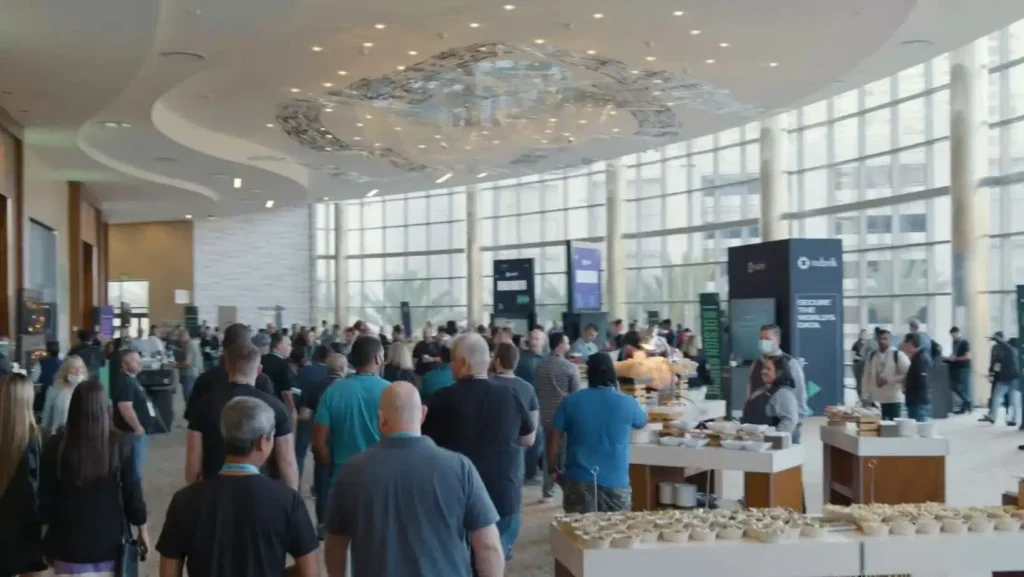
When Should You Choose a Conference Proceeding?
A Conference Proceeding may be appropriate when you want to share new research quickly, receive feedback from other researchers, and increase your academic visibility. Conference publications are especially useful for emerging topics, early-stage findings, and research that can benefit from discussion with experts.
- Your research addresses a current or emerging topic.
- You want to receive feedback quickly.
- You want to present your work to specialists.
- You are interested in networking.
- Your field gives significant importance to conference publications.
- Your research is suitable for a focused paper.
- You want to build experience presenting academic research.
Before submitting, carefully review the conference’s publication and presentation requirements.
When Should You Choose a Journal Article?
A conference proceeding may be appropriate when your research is ready to share with the academic community but you also want faster feedback, visibility, and networking opportunities. Conference proceedings can be especially useful for presenting emerging research, discussing preliminary findings, and receiving feedback before developing the work into a full journal article.
- Your research is fully developed.
- You have substantial experimental or analytical results.
- Your study requires detailed explanation.
- You want to establish a long-term scholarly publication.
- Your target academic position values journal publications.
- Your research has strong potential for continued citation.
Always check your university, department, funding body, or employer’s specific publication requirements before making a decision.
How to Use a Call for Papers Effectively
A call for papers can help you identify conferences that are actively accepting submissions.
Researchers discover conferences that are currently accepting submissions and identify opportunities that match their research interests. Instead of focusing only on the submission deadline, researchers should use the call for papers to evaluate the conference topic, submission requirements, publication options, review process, and overall credibility.
- Conference scope and topics
- Organizing institution
- Review process
- Publication details
- Proceedings publisher
- Indexing claims
- Submission deadline
- Registration requirements
- Presentation format
- Previous editions of the conference
A relevant call for papers can be an excellent opportunity, but researchers should verify all publication claims before submitting.
How Conference Search Can Help Researchers
A structured conference search can save researchers considerable time and make it easier to find events that genuinely match their academic goals. Instead of browsing conferences randomly or choosing the first opportunity you find, use specific criteria to narrow your options.
Approach helps you compare relevant conferences based on factors such as research topic, location, submission deadline, publication opportunities, conference credibility, and review process.
- Research discipline
- Country or city
- Conference dates
- Submission deadline
- Publication type
- Research topic
- Presentation format
- Publisher
- Indexing requirements
For example, an AI researcher could search for conferences focused on artificial intelligence, machine learning, deep learning, natural language processing, or related subjects.
The goal should not simply be to find the earliest deadline. The goal is to find a legitimate conference that matches your research and academic objectives.
Does a Conference Paper Have Less Value Than a Journal Article?
Not necessarily.
The academic value of a publication depends heavily on the discipline, venue, publication quality, review standards, and institutional evaluation criteria.
In some fields, respected conference proceedings are extremely important and can carry substantial academic influence. In other fields, journal articles are generally given greater importance.
Therefore, researchers should avoid assuming that every conference paper has lower value than every journal paper.
Instead, evaluate the specific publication venue.

Can a Conference Paper Become a Journal Article?
Yes, in many cases a conference paper can become the foundation for a journal article.
However, researchers must follow the policies of both publications.
A journal version should generally provide meaningful additional value rather than simply reproducing the conference paper. This might include:
- Additional experiments
- Larger datasets
- Deeper analysis
- New theoretical discussion
- Extended methodology
- More comprehensive results
- Additional evaluation
Authors should also clearly disclose the relationship between the conference version and journal submission when required.
Never submit identical work to multiple venues without checking their policies.
Common Mistakes Researchers Should Avoid
Publishing research is an important part of an academic career, but choosing the right conference or journal requires careful consideration. Research sometimes make decisions based on deadlines, indexing claims, or quick publication promises without checking whether the venue actually supports their academic goals.
Avoiding these common mistakes can help researchers protect their work, choose credible publication opportunities, and make better decisions about where to submit their research.
Choosing a Conference Only Because of Its Deadline
A short submission deadline can create a sense of urgency, but a fast deadline does not automatically mean the conference is a good opportunity. Researchers should avoid selecting a conference simply because they need to submit their paper quickly.
Before submitting, examine the conference’s research scope, organizer, previous editions, speakers, review process, and overall reputation. Check whether the conference attracts researchers working in your subject area and whether attending it could provide meaningful opportunities for networking and academic discussion.
A conference that aligns closely with your research can be more valuable than one offering an unusually convenient deadline.
Ignoring Publication Details
Another common mistake is submitting a paper without understanding what happens after acceptance. Researchers should determine where accepted papers will be published, how the proceedings are handled, and whether the publication meets their academic requirements.
Some conferences publish proceedings through recognized publishers, while others may provide different publication options. The publication arrangement can also vary depending on the conference and paper type.
Before submission, check:
- Where accepted papers will appear
- Whether proceedings are actually published
- Who the publisher is
- Whether the publication is relevant to your institution
- What publication timeline is expected
- Whether additional publication conditions apply
Understanding these details beforehand can prevent disappointment after acceptance.
Focusing Only on Indexing
Indexing is often an important consideration for researchers, but it should not be the only factor used to judge a conference or journal.
Researchers should look beyond an indexing claim and investigate the organization behind the event or publication. A credible opportunity should have transparent information about its organizers, editorial or review process, publication arrangements, and academic history.
When evaluating a conference, consider its:
- Organizer and organizing committee
- Peer-review process
- Previous editions
- Academic speakers and participants
- Publisher or proceedings arrangement
- Research scope
- Reputation among researchers
Similarly, researchers should verify indexing information through the relevant database rather than relying only on promotional statements.
Treating Every Journal as Equal
Not every journal offers the same level of academic value. Journal quality can vary considerably, so researchers should carefully evaluate a journal before submitting their work.
Start by checking whether the journal’s scope matches your research. Then review its editorial board, peer-review policy, publication practices, article types, and publication history.
Researchers should also look at the journal’s transparency. Important information such as editorial policies, author guidelines, publication fees, and review procedures should be clearly available.
Publishing Without Checking Institutional Rules
One of the most important mistakes researchers can make is failing to check their university, department, employer, or funding body’s publication requirements.
Institutions may have specific rules concerning approved journals, indexing databases, conference proceedings, publishers, publication categories, or acceptable research outputs. A publication that appears valuable externally may not necessarily satisfy the requirements of a particular institution.
Conference Proceedings vs Journal Articles: What Should Researchers Do?
The strongest publication strategy is often based on purpose rather than choosing one format exclusively.
Use conference proceedings when you want to communicate research quickly, gain feedback, build connections, and present your findings to an academic audience.
Use journal articles when you have mature research that requires detailed documentation, comprehensive analysis, and long-term scholarly communication.
For many researchers, the ideal approach is to combine both strategically.
Conference Proceedings and Journal Articles serve different roles in academic publishing. Conferences can provide speed, visibility, networking, and valuable feedback, while journals can offer detailed peer review and a stronger long-term publication record in many disciplines.
Before responding to a call for papers, conduct a careful conference search and evaluate the conference’s credibility, publication process, and relevance to your research.
At the same time, do not overlook the importance of a high-quality Journal Article when building a long-term academic career.
Ultimately, the best publication choice depends on your research maturity, discipline, career goals, and institutional expectations. A thoughtful combination of conference participation and journal publication can help researchers build both professional visibility and lasting academic credibility.