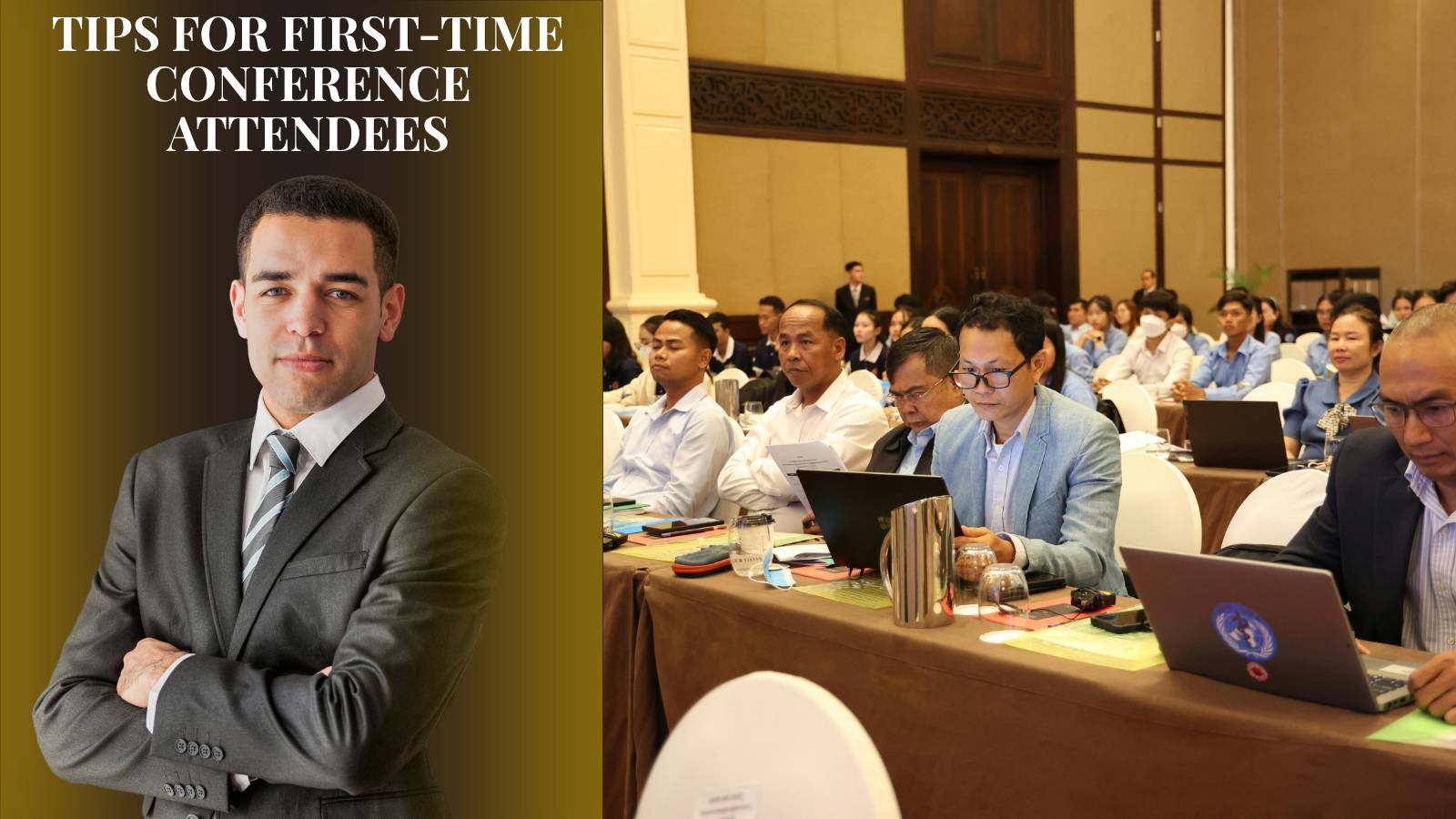
Moment you step into a conference hall, you’re not just entering a venue—you’re stepping into a world of ideas, opportunities, and powerful connections that can redefine your personal and professional journey.
From networking with industry leaders to discovering the latest trends, conferences are more than events—they are growth accelerators. But to truly benefit, especially as a first-time attendee, you need the right strategy, tools, and mindset.
Below find details to help understand why conferences matter and how to make the most out of them.
Why Attend a Conference?
Attending a conference goes beyond sitting through sessions—you actively immerse yourself in an ecosystem of innovation, learning, and collaboration. Whether you are a student, entrepreneur, professional, or researcher, you gain access to a unique blend of opportunities that you cannot easily find elsewhere.
One of the biggest advantages of attending a conference is networking. You meet professionals from diverse backgrounds, industries, and experience levels. These interactions help you build meaningful relationships that can lead to job opportunities, collaborations, partnerships, or mentorship.
You also learn directly from industry experts. Conferences feature keynote speakers, panel discussions, and hands-on workshops led by experienced professionals. These sessions give you valuable insights into current trends, future predictions, and real-world challenges, helping you stay ahead in your field.
In addition, conferences expose you to new ideas and innovations. You explore cutting-edge technologies, discover new products, and understand emerging strategies that can inspire your own work or business decisions.
Finally, attending conferences strengthens your personal growth and confidence. When you engage in discussions, ask questions, and present your ideas in a professional environment, you improve your communication skills and build stronger self-confidence.
Tips for Attending the Conference for the First Time
Attending a conference for the first time requires careful planning, clear goals, and an active approach to make the most of every opportunity. When you prepare in advance and stay focused during the event, you can turn a simple conference visit into a powerful learning and networking experience.
1. Do Your Research Ahead of Time
Before attending the conference, take time to research the event thoroughly. Review the agenda, understand the main themes, and explore the profiles of keynote speakers and panelists. This preparation helps you know what to expect and allows you to plan your schedule effectively.
a) Understand the Conference Theme and Sessions
Conferences often focus on specific industries or topics, so you should ensure the content aligns with your interests and goals. Review the session schedule carefully, identify the most relevant ones, and create a list of must-attend sessions. Setting reminders will help you stay on track.
b) Know the Speakers
Research the speakers, panelists, and experts who will be present. Read about their work, explore their achievements, and prepare thoughtful questions. This knowledge helps you engage more meaningfully during sessions and conversations.
2. Set Clear Goals for Attending the Conference
You should attend a conference with clear objectives to make your experience more valuable and focused. Define what you want to achieve, whether it is networking, learning new skills, or exploring opportunities.
a) Networking Goals
Set a target for the number of people or organizations you want to connect with. Whether you aim to meet potential clients, collaborators, or industry peers, having a networking goal gives you direction.
b) Learning Objectives
Select sessions that align with your professional growth. Focus on topics that help you build new skills, gain insights, or stay updated with industry trends.
c) Actionable Takeaways
Identify what you want to gain from the conference, such as strategies, tools, or ideas. Focusing on actionable takeaways ensures long-term value from your participation.
3. Find the Right Conference
Choosing the right conference plays a crucial role in your overall experience. You should evaluate different factors to ensure the event matches your needs and expectations.
a) Conference Type
Conferences vary in type, including Academic, industry-specific, and networking events. Choose one that aligns with your profession or interests to maximize relevance and value.
b) Conference Format
You may find conferences in in-person, virtual, or hybrid formats. In-person events offer direct interaction and networking, while virtual events provide flexibility and accessibility. Select the format that suits your preferences.
c) Conference Location
Consider the location carefully, especially if travel is involved. Ensure it fits your budget, schedule, and convenience while offering worthwhile opportunities.
d) Conference Size
Large conferences provide diverse sessions and broader exposure, while smaller ones offer more personal interactions. Choose based on whether you prefer variety or deeper connections.
4. Register for the Desired Conference
Once you select the right conference, complete your registration early to secure your participation and avoid last-minute issues.
a) Early Registration
Register as early as possible to take advantage of discounts and secure your spot in popular sessions or workshops.
b) Review the Registration Process
Carefully check all requirements, such as documentation or credentials. Submit all necessary details on time to ensure a smooth registration process.
c) Accommodation and Travel Plans
If the conference takes place in another city or country, plan your travel and accommodation in advance. Early bookings help you avoid higher costs and last-minute stress.
d) Conference App or Portal
Download the official conference app or access the event portal. These tools help you manage schedules, receive updates, and connect with other attendees efficiently.
5. Attend Sessions Strategically
You should attend sessions with a clear strategy instead of trying to cover everything. A focused approach ensures better learning and engagement.
a) Prioritize Key Sessions
Select sessions that align with your goals and interests. Focus on quality rather than quantity to gain deeper insights.
b) Balance Learning with Networking
Use breaks and informal sessions to connect with other attendees. Engage in meaningful conversations and exchange ideas.
c) Be Engaged and Take Notes
Participate actively during sessions by asking questions and taking notes. This approach helps you retain information and engage with speakers effectively.
d) Plan for Breaks and Downtime
Schedule short breaks between sessions to recharge. Taking time to rest improves your focus and overall productivity.
6. Prepare Notes from the Conference
Organizing your notes effectively ensures you gain long-term value from the conference experience. Proper documentation helps you apply what you learn.
a) Use a Digital or Paper Notebook
Choose a method that works best for you, whether it is a digital device or a traditional notebook. Consistent note-taking keeps your insights organized.
b) Focus on Actionable Information
Capture key ideas, strategies, and insights that you can apply later. Avoid writing everything and focus on what truly matters.
c) Record Key Takeaways for Future Reference
After the conference, review your notes and highlight the most important takeaways. This process helps you retain and use the knowledge effectively.
d) Follow Up on New Ideas
Turn your ideas into action by planning next steps. Whether it involves connecting with someone or implementing a new strategy, follow-up actions ensure lasting benefits.
By preparing in advance, setting clear goals, and staying actively engaged, you can transform your first conference into a highly productive and enriching experience that supports both personal and professional growth.
Best Apps and Tools for Conference Attendees
In today’s fast-paced digital environment, using the right tools can completely transform your conference experience. From staying organized to building meaningful connections, these apps help you maximize every moment of the event.
1. Event Management Apps (Stay Organized & Informed)
Event management apps play a crucial role in helping you stay organized and informed throughout the conference. Many conferences provide their own event-specific apps that act as a complete digital guide for attendees. Through these apps, you can easily access complete schedules, speaker profiles, session details, and venue maps in one place, making navigation smooth and convenient.
They also deliver real-time updates and notifications, ensuring you stay aware of any last-minute changes or important announcements. By using these apps, you can plan your schedule effectively, avoid missing key sessions, and navigate the conference with confidence and ease.
2. Networking Platforms (Build Strong Connections)
Conferences focus on building relationships, and tools like LinkedIn make this easier by helping you connect with professionals, speakers, and recruiters. You can follow up, send messages, and maintain long-term connections, while also strengthening your personal brand by sharing insights and updates from the conference.
3. Note-Taking Apps (Capture and Organize Ideas)
Taking notes during sessions becomes more effective with tools like Evernote and Notion, which help you organize ideas, key takeaways, and session highlights in a structured way. With features like headings, tags, and categories, you can easily access your notes later and ensure that valuable insights are never lost after the conference.
4. Time Management Tools (Stay on Schedule)
Managing multiple sessions becomes easier with tools like Google Calendar, which allow you to schedule sessions, set reminders, and avoid timing conflicts. By planning your day in advance and receiving timely alerts, you can stay organized, productive, and fully engaged throughout the conference.
5. Communication Apps (Stay Connected in Real-Time)
Staying connected during a conference is essential, and tools like Slack and WhatsApp make it easy to create groups, share updates, and coordinate meetups. These apps support quick communication and real-time collaboration, helping you stay engaged and expand your network effectively.
Common Mistakes First-Time Attendees Should Avoid
Many first-time attendees make avoidable mistakes that can limit their overall conference experience and reduce the value they gain from the event. From over-scheduling and lack of planning to ineffective networking and missed follow-ups, being aware of these common pitfalls helps you stay prepared, focused, and make the most of every opportunity. Find below Common Mistakes:
- Over-Scheduling Your Day: Trying to attend everything leads to exhaustion and reduced focus. Prioritize key sessions and allow time for breaks.
- Not Having a Clear Plan or Agenda: Without planning, you may miss important sessions and opportunities. A structured schedule keeps you organized and efficient.
- Being Too Shy in Networking: Hesitation to approach others limits valuable connections. Be open and start conversations confidently.
- Being Overly Aggressive in Networking: Being too pushy can create a negative impression. Focus on genuine conversations rather than self-promotion.
- Ignoring Follow-Ups After the Event: Not reconnecting wastes networking efforts. Follow-ups help build long-term professional relationships.
- Failing to Set Clear Goals: Without clear objectives, your experience may lack direction. Goals help you stay focused and measure success.
- Not Taking Notes or Capturing Insights: Relying on memory leads to lost information. Taking notes helps you retain and apply key learnings.
- Neglecting Personal Branding: Lack of preparation or introduction weakens your impact. A clear pitch helps you stand out professionally.
- Skipping Breaks and Self-Care: Continuous activity causes fatigue and lowers productivity. Short breaks help you stay energized.
- Not Engaging Actively in Sessions: Passive attendance limits learning. Active participation improves understanding and value.
By focusing on preparation, active participation, and follow-up, individuals can transform a single event into a long-term career advantage. Understanding each aspect of conference participation ensures that the experience is not only informative but also impactful and rewarding.