
ICASSP 2026 Barcelona: Important Dates, Registration, Submission Deadline & Fees
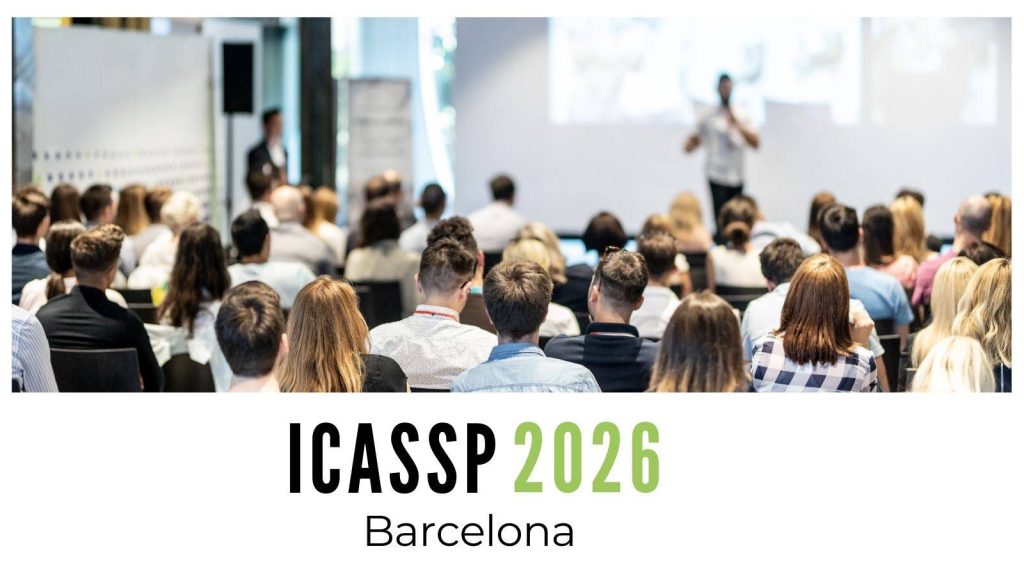
51st IEEE International Conference on Acoustics, Speech, and Signal Processing (ICASSP 2026) is shaping up to be a landmark event for the global signal processing community. Running from May 4 to May 8, 2026 in Barcelona, Spain, this flagship conference hosted by the IEEE Signal Processing Society brings together researchers, engineers, educators, and industry professionals from around the world to present, discuss, and collaborate on the latest breakthroughs in signal processing technology.
With a comprehensive agenda including world‑class keynotes, in‑depth tutorials, high‑impact special sessions, and networking opportunities, ICASSP 2026 offers a unique platform to both share research and shape the future of this rapidly evolving discipline.
ICASSP 2026 Barcelona: Conference Overview and Host City Highlights
What is ICASSP 2026 and Why Barcelona Is the Host City
ICASSP (International Conference on Acoustics, Speech, and Signal Processing) stands as the IEEE Signal Processing Society’s flagship annual conference and one of the most prestigious gatherings in signal processing, speech technologies, audio and acoustic applications, machine learning integration, multimedia processing, and emerging computational methodologies. For over 50 years, ICASSP has showcased cutting‑edge research and technological advancements that shape both academic and industrial practices.
The organizers selected Barcelona as the host city because it combines academic excellence, cultural vibrancy, and logistical convenience. The city hosts numerous esteemed universities and research institutions that contribute significantly to digital signal processing, artificial intelligence, and communications engineering. Its prime location in southern Europe allows easy access from North America, Asia, Africa, and the Middle East, reinforcing Barcelona as a global hub for scientific exchange.
Barcelona also offers a rich cultural atmosphere, iconic architecture by Antoni Gaudí, Mediterranean culinary experiences, and a high quality of life, all of which enhance the experience for visiting researchers and professionals.
Venue Details and Accessibility
ICASSP 2026 will take place at the Centre de Convencions Internacional de Barcelona (CCIB) in the Diagonal Mar district, near the seaside. This state‑of‑the‑art convention center, listed in the Inventory of Architectural Heritage of Catalonia, hosts large international events with ease. The CCIB offers:
- Over 13,500 m² of flexible, column‑free space that accommodates plenary sessions, parallel technical tracks, poster areas, and exhibition halls.
- A 4,000 m² main hall perfect for plenary talks and high-capacity sessions.
- Proximity to major hotels, public transit, and dining options, ensuring attendees move comfortably between sessions and accommodations.
The CCIB combines functional conference infrastructure with abundant natural light and modern facilities. Attendees will access advanced audio-visual systems, reliable high-speed networking, and flexible spaces designed for collaborative events.
ICASSP 2026 Important Dates: Full Timeline You Must Not Miss
Understanding the deadlines and milestones helps you plan your participation effectively and ensures your work gets showcased at ICASSP 2026. Below is the detailed schedule of official deadlines released so far:
Key Announcement Milestones
- Call for Papers Release: ICASSP 2026 has published its official call for papers, inviting original, unpublished research contributions across a wide range of signal processing topics.
- Special Sessions and Short Courses: The conference opens calls for special session proposals and short course submissions early in the program cycle, encouraging collaboration on innovative or emerging themes.
Paper Submission Timeline
- Regular Technical Paper Submission Deadline: Submit your manuscript by September 17, 2025 to have it considered for review and inclusion in the technical program.
- OJSP (IEEE Open Journal of Signal Processing) Submission: Submit your longer papers by September 24, 2025 to participate in a special track where your work will appear in the journal and be presented at the conference.
Author Response & Acceptance Dates
- Author Response Deadline: Authors can reply to reviewer comments and clarify key points during the rebuttal phase until December 22, 2025.
- Acceptance Notification: ICASSP will notify authors of acceptance for presentation and inclusion in the proceedings on January 16, 2026.
- Published Journal Presentation Request Deadline: Authors with IEEE journal papers can request to present their already-published work at the conference by January 9, 2026.
Final Submission and Registration
- Open Preview of Proceedings: On April 7, 2026, the conference proceedings will become publicly available in IEEE Xplore before the event.
- Camera-Ready Paper Submission: Submit the final, camera-ready version of your accepted paper by January 28, 2026 to appear in the official proceedings and IEEE Xplore.
- Author Registration Deadline: Authors must register by February 13, 2026 to ensure their papers are included in the program. For more details visit.
ICASSP 2026 Submission Deadline: Paper, Workshop, and Tutorial Deadlines
Participation at ICASSP 2026 hinges on multiple avenues for scientific contribution. Understanding these deadlines in context ensures that your work is not only submitted on time but also aligned with the most suitable category for maximum impact.
Technical Paper Submission Deadline
The technical paper deadline of September 17, 2025 is the most crucial deadline for authors aiming to present research results at the conference. Submissions must follow official IEEE formatting, demonstrate originality, and contribute meaningfully to fields such as machine learning for signal processing, speech and language processing, imaging and multimedia, or sensor arrays.
Given the rigorous and highly competitive nature of ICASSP, preparing a strong manuscript well ahead of the deadline allows time for peer reviews among co‑authors and refinement based on early feedback.
Special Session Proposal Deadline
Special sessions provide a focused forum to explore niche, interdisciplinary, or emerging topics that complement the main tracks. Although specific deadlines can vary, calls for proposals are usually announced early so that organizers can gather expert panels and commit to session themes that meet community interest and relevance.
Tutorial and Workshop Submission Deadlines
Tutorials and workshops offer deep dives into specialized or practical methods not always covered in canonical papers. The tutorial proposal deadline of October 22, 2025 reflects an opportunity for leaders in specific domains—such as explainable AI for signal analysis or next‑gen acoustic processing—to share expertise and tools with attendees.
Workshop proposals and short courses similarly target immersive learning experiences and practical discussions on trending topics. These sessions are particularly beneficial for students and professionals seeking hands‑on exposure.
Registration: Rates, Categories, and Benefits
The registration framework for ICASSP 2026 provides different fee structures depending on participant type and registration timing. Although registration opening dates will be published later, the following structure outlines current planned rates:
Conference Registration Categories
Participants are generally classified into:
- Authors — Presenters of accepted papers
- Non‑Author Attendees — Professionals, students, and other participants
- IEEE Members, IEEE SPS Members, and Non‑Members — Tiered pricing to support society membership benefits
Fee Highlights
Approximate advance registration rates include:
- IEEE SPS Member / Author: USD 900
- IEEE Member / Author: USD 1,035
- Non‑Member / Author: USD 1,240
- Student IEEE SPS Member: USD 900 (advance)
- Student Non‑Member: USD 395 (advance)
- Life Member: USD 250 (advance)
Additional registration items such as workshop attendance, tutorials, social events (e.g., banquet), networking lunches, and specialized sessions may require separate or add‑on registration fees.
What Registration Includes
Standard registration allows access to:
- All main technical sessions and keynotes
- Coffee breaks and lunch boxes (Tue–Fri)
- Electronic proceedings and conference materials
- Access to exhibits and demos
ICASSP 2026 Schedule: Conference Program Structure Explained
Day-by-day conference schedule overview
ICASSP 2026 is expected to span several days, beginning with tutorials and workshops, followed by the main conference sessions. Each day is carefully structured to balance technical depth, networking opportunities, and community engagement.
The program typically includes parallel sessions to accommodate the wide range of topics covered.
Keynote sessions and plenary talks
Keynote and plenary sessions feature internationally recognized researchers, industry leaders, and innovators who share insights into current trends, future directions, and real-world applications of signal processing technologies.
These sessions are central highlights of the conference and attract large audiences.
Technical sessions, panels, and poster sessions
Technical sessions are organized by topic and consist of oral and poster presentations. Panel discussions allow experts to debate emerging challenges and future research directions, encouraging audience interaction.
Poster sessions provide an informal setting for detailed discussions and direct engagement between authors and attendees.
Workshops, tutorials, and satellite events
Workshops and tutorials are typically scheduled before or alongside the main conference and offer hands-on learning and focused discussions. Satellite events may include industry showcases, student competitions, and networking receptions.
These events enhance the overall conference experience and foster collaboration across academia and industry.
ICASSP 2026 Registration: Step-by-Step Registration Process
Who should register and when
All presenters, including authors of accepted papers, must complete registration to be included in the final program. Non-presenting attendees, industry professionals, and students are also welcome to register.
Early registration is strongly recommended to secure lower fees and ensure access to preferred sessions.
Early-bird vs regular registration
ICASSP typically offers early-bird registration at a discounted rate for participants who register before a specified deadline. Regular registration fees apply afterward and are higher in comparison.
Registering early also helps with travel planning and accommodation availability.
Student and IEEE member registration process
Students and IEEE members are eligible for reduced registration fees. Valid documentation, such as student ID or IEEE membership number, is required during the registration process.
These discounts are designed to encourage broader participation from early-career researchers and IEEE community members.
On-site vs online participation details
ICASSP 2026 may offer hybrid participation options, allowing attendees to join either on-site in Barcelona or online. On-site participants gain full access to in-person sessions and networking events, while online participants can attend virtual sessions and access digital proceedings.
FAQs
1. Will ICASSP 2026 offer virtual or hybrid participation options?
Many attendees want to know if they can join the conference online if they cannot travel to Barcelona, and whether virtual participants will have access to live sessions, recordings, and networking opportunities.
2. Are there travel grants or financial support options for students and researchers?
Prospective attendees often ask if ICASSP provides travel grants, scholarships, or funding assistance to help students, early-career researchers, or participants from low-income countries attend.
3. What are the accommodation options near the CCIB?
Attendees want details about recommended hotels, price ranges, proximity to the venue, and whether ICASSP provides discounted rates.
4. Is there a conference mobile app or platform for attendees?
People often look for information about apps that provide session schedules, personalized agendas, networking features, and live updates.
5. What are the guidelines for poster presentations and demonstrations?
While the article mentions poster sessions, it doesn’t explain the size limits, format, setup, or whether digital posters are allowed.
6. Will the conference provide child care or family-friendly facilities?
For attendees traveling with families, knowing about childcare options or family-friendly spaces at the CCIB is important.
7. Are there industry-specific or company-sponsored sessions?
Many participants seek details on workshops, sessions, or presentations led by leading tech companies, including opportunities for industry-academia collaboration.
8. How can participants submit late-breaking research or special interest papers?
Some researchers might miss the regular submission deadline and want to know if ICASSP accepts late-breaking submissions, demo papers, or short communications.
9. What are the COVID-19 or health safety protocols for on-site attendance?
Attendees increasingly want clarity on vaccination requirements, mask policies, or safety measures implemented at the CCIB.
10. Are there social events, networking dinners, or city tours included in the registration?
Many participants seek information about optional social programs, receptions, gala dinners, or organized sightseeing events in Barcelona.