
ABRCMS 2026 Conference: Key Dates, Registration Costs, Deadlines & Eligibility
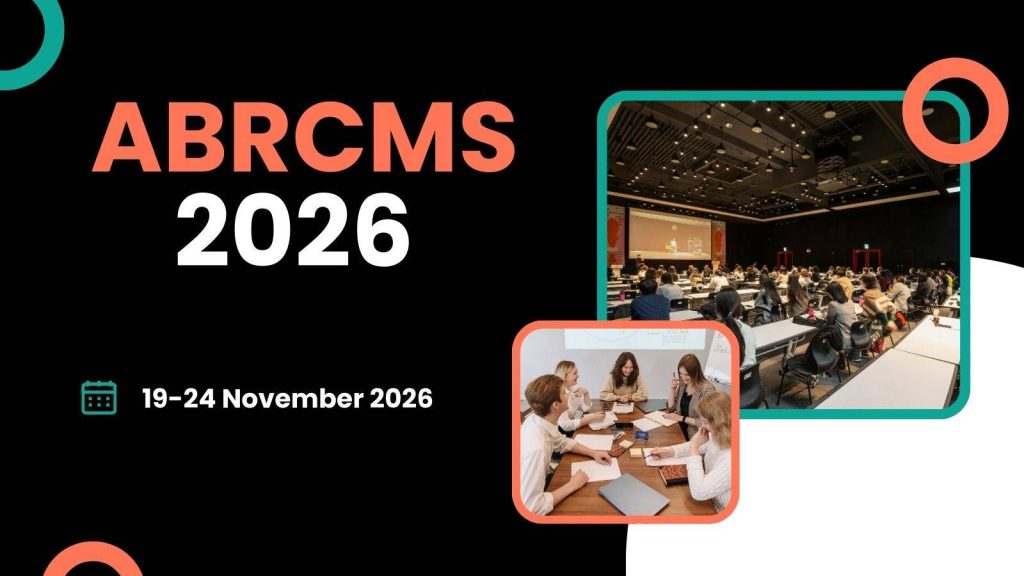
The Annual Biomedical Research Conference for Minority Students (ABRCMS) is one of the most influential academic and professional development conferences in the United States for students pursuing careers in biomedical and behavioral sciences. Organized by the American Society for Microbiology (ASM), ABRCMS has become a cornerstone event for nurturing future scientists, researchers, healthcare professionals, and STEM leaders.
For 2026, ABRCMS will be held in Seattle, Washington, USA, from November 19 to November 24, 2026. Over six intensive days, participants will engage in research presentations, technical workshops, mentoring programs, career fairs, networking sessions, and award ceremonies. The conference attracts thousands of attendees from universities, research institutions, government agencies, and industry organizations worldwide.
Find what ABRCMS is, who should attend, how to register, important deadlines, eligibility rules, scientific programs, funding opportunities, and how to prepare effectively, making it a complete reference for students and professionals planning to attend ABRCMS 2026.
What Is ABRCMS?
ABRCMS (Annual Biomedical Research Conference for Minority Students) is more than a conference—it’s a platform for students to showcase research, gain feedback, network with mentors, and advance in STEM careers.
Key characteristics of ABRCMS
Multidisciplinary Scientific Scope
Covering fields from molecular biology and neuroscience to data science and environmental science, ABRCMS welcomes students from diverse STEM backgrounds to present research and explore emerging trends.
Student-Centered Research Platform
Focused on student growth, ABRCMS allows undergraduates and graduates to present their work, receive evaluations, and improve scientific communication skills in a supportive environment.
Career and Academic Pipeline Development
The conference helps students transition from undergraduate studies to graduate programs, doctoral research, and professional STEM careers by providing mentorship, career guidance, and networking opportunities.
Strong Emphasis on Inclusion and Opportunity
ABRCMS promotes diversity by supporting historically underrepresented students, offering mentorship, funding guidance, and connections with recruiters and established scientists.
National Recognition and Credibility
Participation in ABRCMS is highly respected by graduate schools and funding agencies, strengthening research portfolios, resumes, and national visibility in the STEM community.
ABRCMS 2026: Dates and Location
Official Schedule
- Start Date: November 19, 2026
- End Date: November 24, 2026
- Total Duration: 6 days
- For more details visit
The six-day schedule provides ample time for participants to engage in both scientific presentations and professional development activities. It allows students to attend workshops, poster and oral presentations, mentoring sessions, and networking events without feeling rushed. The extended duration also accommodates special sessions on grant writing, career planning, and diversity in STEM, ensuring a well-rounded conference experience.
Host City: Seattle, Washington
Seattle has been chosen as the host city for ABRCMS 2026 due to its strategic advantages for academic and professional events:
- Academic and Research Hub: Seattle is home to major universities and biomedical research centers, including the University of Washington, Fred Hutchinson Cancer Center, and other renowned institutions, making it a fertile environment for scientific exchange.
- Thriving Technology and Healthcare Industries: With a strong presence of biotech, healthcare, and tech companies, Seattle provides ample opportunities for students to connect with industry professionals, explore internships, and attend specialized sessions from leading organizations.
- Accessibility and Transportation: Seattle offers excellent public transportation and is well-connected internationally through Seattle-Tacoma International Airport, making it convenient for both domestic and international attendees.
- Convention Infrastructure: The city boasts modern convention centers, large meeting spaces, and nearby hotels arranged through conference partnerships, ensuring smooth logistics and comfortable accommodations for participants.
By hosting ABRCMS 2026 in Seattle, the conference combines a vibrant academic environment with professional networking opportunities, providing an ideal setting for students to showcase their research and advance their careers in STEM.
Who Should Attend ABRCMS 2026?
ABRCMS 2026 is designed to support a wide range of participants, from students at various stages of their academic journey to faculty, researchers, and industry professionals. Attending the conference provides unique opportunities for networking, professional growth, research exposure, and recruitment.
Students
- Undergraduate Researchers: ABRCMS offers undergraduates the chance to present original research, receive mentorship, and gain critical feedback on their work. It’s an ideal platform to enhance scientific communication skills, build confidence, and explore potential graduate programs or career paths in STEM.
- Graduate and Postbaccalaureate Students: Graduate students and postbaccalaureate participants benefit from exposure to cutting-edge research across disciplines, mentorship from experienced researchers, and workshops focused on career advancement, grant writing, and leadership development.
- Community College Students Exploring STEM Careers: ABRCMS provides community college students with exposure to research and professional opportunities they may not otherwise access. They can interact with mentors, attend workshops, and learn how to transition into four-year STEM programs or research careers.
Researchers & Faculty
- Postdoctoral Fellows: Postdocs can gain visibility for their work, expand their professional network, and identify collaborative opportunities with students and other researchers. ABRCMS also allows postdocs to share insights on career progression and mentoring strategies.
- Faculty Mentors: Faculty mentors can guide student researchers, identify talented students for graduate programs, and participate in discussions on improving STEM education and diversity initiatives.
- Academic Advisors and Program Directors: Advisors and program directors can learn about emerging trends in STEM education, identify research talent, and connect with institutions supporting diversity and inclusion in science.
Industry & Government Professionals
- Biotech Recruiters: Recruiters gain access to a diverse pool of emerging STEM talent, making ABRCMS an effective platform for internship, fellowship, and employment recruitment.
- Research Institutions: Representatives from research organizations can scout promising students for programs, collaborate with faculty mentors, and promote their research initiatives.
- Federal Agencies (NIH, NSF, etc.): Federal agencies can engage with future researchers, share funding opportunities, and promote programs aimed at increasing diversity and inclusion in STEM.
By bringing together students, educators, and professionals, ABRCMS 2026 fosters a collaborative ecosystem where attendees can exchange ideas, discover career opportunities, and build lasting professional relationships in STEM.
Registration Information for ABRCMS 2026
Registering for ABRCMS 2026 is the first step for students, researchers, and professionals to secure their place at one of the most prestigious conferences for minority students in STEM. The registration process is designed to accommodate a wide range of participants, each with tailored categories and benefits, ensuring that attendees gain full access to the conference’s rich scientific and professional resources.
Registration Categories
ABRCMS 2026 offers multiple registration categories to meet the needs of different participants:
- Student Registration: This includes undergraduate, community college, and graduate students who plan to present research or participate in workshops, mentoring sessions, and career development activities.
- Graduate and Postbaccalaureate Registration: For students who have completed their undergraduate degree and are seeking to engage with advanced research sessions, professional development workshops, and networking opportunities.
- Faculty and Academic Staff Registration: For faculty mentors, program directors, and academic advisors who are attending to support their students, engage with other educators, or participate in workshops on mentoring, diversity, and STEM education.
- Professional and Industry Registration: Designed for recruiters, representatives from research institutions, and professionals from government agencies or industry who are attending to identify emerging talent, promote programs, and network.
- Virtual Registration: For participants who cannot attend in person, virtual registration provides access to selected sessions, workshops, and key presentations.
- Exhibitor Registration: For organizations, institutions, and companies looking to exhibit their programs, products, or research initiatives to a large audience of students, educators, and professionals.
What Registration Fees Include
The registration fees for ABRCMS typically cover a comprehensive package of activities and resources designed to maximize participant engagement:
- Scientific Sessions: Full access to oral and poster presentations across a broad spectrum of disciplines, including molecular biology, neuroscience, environmental science, data science, and more.
- Poster and Oral Presentation Access: Students presenting their research can share their work with peers, faculty, and professionals while receiving constructive feedback and evaluations.
- Workshops: Access to skill-building workshops on topics such as grant writing, scientific communication, leadership development, and career planning.
- Career Fair: Entry to the career fair, where students can interact with recruiters, research institutions, and federal agencies to explore internships, fellowships, and job opportunities.
- Mentorship Programs: Opportunities to participate in structured mentoring sessions with experienced researchers, industry professionals, and faculty mentors, helping guide academic and career decisions.
Benefits of Early Registration
Registering early for ABRCMS 2026 comes with several key advantages that enhance the overall conference experience:
- Lower Cost: Early registrants often benefit from discounted registration fees, helping students and institutions manage conference expenses.
- Workshop Availability: Many workshops and mentorship sessions have limited seating, so early registration ensures access to high-demand sessions.
- Travel Award Eligibility: Students who register early may be eligible for travel awards and scholarships that help offset transportation and accommodation costs.
- Easier Travel Planning: Early registration allows participants to book flights and hotels in advance, often at better rates, and ensures smooth coordination with conference-provided lodging options.
Risks of Late Registration
Waiting to register may result in several disadvantages, including higher fees, limited availability for workshops and mentorship programs, and potential exclusion from travel award consideration. Late registration can also make securing nearby hotel accommodations and preferred travel arrangements more difficult, potentially impacting the overall conference experience.
By understanding the registration categories, benefits, and advantages of early registration, participants can make informed decisions to maximize their ABRCMS 2026 experience, gaining full access to the conference’s scientific, educational, and professional development opportunities.
Important Deadlines for ABRCMS 2026
ABRCMS 2026 has a set of critical deadlines that participants must meet to ensure eligibility for presentations, funding, and full participation in the conference. Missing these deadlines can result in disqualification or missed opportunities, so careful planning is essential. Below is a detailed overview of the key deadlines and their significance.
A. Abstract Submission Deadline
Purpose of Abstract Submission: Abstracts are the foundation of your participation at ABRCMS. They allow students to present their original research, receive scientific evaluation, and gain recognition for their work. Submission of an abstract also helps organizers allocate sessions and schedule presentations appropriately.
Required Content: Abstracts must include a clear and concise background of the research, detailed methodology, significant results, and a conclusion summarizing the key findings. This ensures that reviewers can accurately assess the scientific merit and relevance of the work.
Expected Deadline: September 6, 2026
Review Process: Submitted abstracts undergo rigorous scientific evaluation by a panel of experts in relevant fields. The review focuses on originality, significance, methodology, clarity, and alignment with ABRCMS’s multidisciplinary focus.
Why Early Submission Is Important: Submitting abstracts early allows participants more time to make revisions if required, ensures priority in session placement, and increases eligibility for awards and recognition. Early submissions also help organizers plan for balanced and well-structured conference sessions.
B. Presentation Confirmation Deadline
- Requirement to Confirm Participation: After an abstract is accepted, participants must formally confirm their intention to present at the conference. This step secures the student’s place in the assigned session and allows organizers to finalize schedules.
- Expected Deadline: October 1, 2026
- Consequences of Missing Confirmation: Failure to confirm participation may result in removal from the program, loss of presentation opportunities, and ineligibility for awards or travel funding. Confirming on time ensures proper session organization and reduces last-minute logistical issues.
C. Travel Award Application Deadline
- Required Documents: Students applying for travel awards typically need to submit a completed application form, a copy of their abstract, academic transcripts, a personal statement, and letters of recommendation. These documents help the review committee evaluate eligibility and need.
- Selection Criteria: Awards are usually granted based on research quality, financial need, academic achievement, and contribution to diversity in STEM. Priority may be given to students from underrepresented groups in science and technology.
- Importance of Applying Early: Early submission ensures that applications are reviewed carefully, increases the likelihood of receiving funding, and allows recipients to plan travel arrangements with adequate time.
- Funding Decisions: The travel award committee reviews all applications and selects recipients based on merit and need. Approved students are notified well before the conference to facilitate travel and accommodation planning.
D. Session Proposal Deadline
- Who Can Submit Proposals: Faculty, researchers, postdoctoral fellows, and professionals are invited to submit proposals for conference sessions. Students may also collaborate with mentors to propose specialized sessions.
- Types of Sessions: ABRCMS accepts proposals for scientific sessions, career development workshops, diversity and inclusion discussions, and technical skill-building seminars. Each session contributes to the comprehensive educational and professional development goals of the conference.
- How Proposals Shape the Conference Program: Submitted session proposals help organizers design a program that balances scientific content with professional growth, mentorship, and networking opportunities. They ensure the conference meets the needs of a diverse audience while addressing current trends in research and STEM education.
Eligibility Criteria for ABRCMS 2026
ABRCMS 2026 is designed to be inclusive yet structured, ensuring that participants meet academic, professional, and ethical standards to fully benefit from the conference. Understanding the eligibility criteria is essential for students, faculty, and international participants to determine whether they qualify to attend, present research, or apply for travel awards and funding.
Student Eligibility
To attend ABRCMS 2026 as a student, participants must meet specific enrollment and academic requirements:
- Enrollment Requirements: Students must be currently enrolled in a degree-granting institution, including community colleges, undergraduate programs, postbaccalaureate programs, or graduate-level programs. Enrollment must be verified through official documentation provided by the institution.
- Acceptable Academic Disciplines: ABRCMS encourages participation from a wide range of STEM fields, including molecular biology, microbiology, neuroscience, psychology, chemistry, public health, environmental science, bioengineering, and data science. This multidisciplinary approach ensures that students from diverse scientific backgrounds can contribute meaningfully to the conference.
- Institutional Verification: Institutions are expected to verify student enrollment. Participants may be required to provide proof of student status, such as a transcript, enrollment letter, or student ID, to confirm eligibility for registration, presentations, and awards.
Research Presentation Eligibility
Students presenting research must meet rigorous standards to ensure the quality and integrity of the conference program:
- Original Research Requirements: Abstracts and presentations must report original work conducted by the student. Collaborative research is allowed, but the student’s contribution must be clearly identified. Presentations that reuse previously published data without appropriate context or credit are not accepted.
- Ethical Research Standards: All research must adhere to ethical guidelines, including proper treatment of human or animal subjects, accurate data reporting, and compliance with institutional and federal regulations. Participants are responsible for ensuring that their research meets these ethical requirements.
- Faculty Mentorship Expectations: Students are encouraged to work under the guidance of a faculty mentor or research advisor. Mentorship ensures that students receive proper guidance in scientific methodology, presentation skills, and adherence to ethical standards. Faculty mentors may also provide letters of support or validation for the student’s research.
International Participant Eligibility
ABRCMS 2026 welcomes international students but requires compliance with additional academic and legal criteria:
- Visa Requirements: International participants must obtain the appropriate visa for travel to the United States and may need to provide documentation for entry. Conference organizers typically provide support letters to assist with visa applications, but securing the visa is the responsibility of the participant.
- Academic Qualification: International students must be enrolled in a recognized degree program in their home country and meet the same academic and research standards required of domestic participants. Proof of enrollment and transcripts may be required.
- Funding Limitations: Travel awards and scholarships may have restrictions for international participants due to funding regulations. Students should carefully review eligibility for financial support before applying.
Travel Award Eligibility
ABRCMS 2026 provides travel awards to help students offset the cost of attending the conference, with eligibility based on academic performance, financial need, and contribution to STEM diversity:
- Academic Performance: Students are generally expected to demonstrate strong academic achievement in their program of study. Performance may be assessed through transcripts, faculty recommendations, or research quality.
- Financial Need: Preference is given to students who demonstrate financial need, enabling broader access to the conference. Applicants may need to provide documentation of their financial situation.
- First-Time Attendee Preference: Travel awards often prioritize students attending ABRCMS for the first time, helping new participants gain exposure and confidence in STEM research and professional development.
- Research Presentation Priority: Students who are presenting original research—either through oral presentations or posters—are given priority for travel awards. This ensures that the funding supports active contributors to the scientific program.
How to Prepare Effectively for ABRCMS 2026
Attending ABRCMS 2026 is a unique opportunity to present research, network with mentors and recruiters, and advance your STEM career. Proper preparation is key to maximizing your success and making the most of this prestigious conference. Preparation can be divided into four main areas: academic, application, professional, and networking strategies.
Academic Preparation
Success at ABRCMS begins with thorough academic preparation:
- Finalizing Research: Ensure that your research project is complete and all data are accurate and well-documented. Review your methodology, results, and conclusions carefully, and make sure any figures, tables, or graphs are clear and easy to interpret. Early preparation allows you to address gaps or inconsistencies before submitting abstracts or preparing presentations.
- Practicing Presentations: Whether presenting a poster or giving an oral talk, practice is crucial. Rehearse your presentation multiple times, preferably in front of peers or mentors, to refine your delivery. Time your presentation to ensure it fits within the allotted slot and anticipate questions from judges or audience members.
- Improving Clarity and Structure: Organize your research content logically, ensuring each section flows naturally. Use clear and concise language to explain complex concepts, and highlight the significance and originality of your work. Visual aids should complement your narrative without overwhelming the audience.
Application Preparation
Careful preparation of your conference applications ensures eligibility and strengthens your profile:
- Transcripts: Gather official transcripts from your current institution(s). Make sure they accurately reflect your academic performance and are ready for submission if required for travel awards or scholarship consideration.
- Recommendations: Request letters of recommendation from faculty mentors, advisors, or research supervisors well in advance. Provide your recommenders with details about ABRCMS, your research project, and your professional goals so they can write specific and impactful letters.
- Personal Statements: Prepare a concise personal statement describing your research, career aspirations, and interest in ABRCMS. Highlight how attending the conference aligns with your academic and professional growth.
- Deadline Tracking: Create a calendar to track all submission deadlines, including abstracts, session proposals, travel awards, and registration. Early planning helps prevent last-minute issues and ensures you don’t miss critical opportunities.
Professional Preparation
ABRCMS is not only about research—it’s also a chance to strengthen your professional presence:
- CV Updates: Ensure your curriculum vitae (CV) is up to date with academic achievements, research projects, publications, presentations, and awards. A well-organized CV helps you make a strong impression with mentors, recruiters, and program directors.
- Resume Formatting: Prepare a concise, professional resume suitable for internships, fellowships, or job applications. Tailor it to emphasize research experience, technical skills, and leadership roles.
- LinkedIn Optimization: Update your LinkedIn profile with academic credentials, research projects, publications, and professional goals. Connect with potential mentors and recruiters before the conference to start building your network.
- Researching Institutions: Identify universities, research institutions, and companies attending ABRCMS. Learn about their programs, ongoing research projects, and recruitment priorities so you can engage meaningfully during the conference.
Networking Strategy
Effective networking ensures long-term benefits beyond the conference:
- Setting Goals: Define clear networking objectives. For example, you might aim to meet mentors in your research field, connect with graduate program representatives, or explore internship opportunities. Having goals helps structure your interactions.
- Preparing Introductions: Prepare a concise introduction or “elevator pitch” that highlights who you are, your research focus, and your professional interests. This allows you to make a strong first impression during brief interactions.
- Following Up After Meetings: Maintain connections by following up with emails or LinkedIn messages, referencing your conversation and expressing appreciation. This reinforces relationships and opens doors for future collaboration or mentorship.
- Building Long-Term Contacts: Focus on quality relationships rather than quantity. Cultivate mentorship opportunities, research collaborations, and professional contacts that can support your academic and career growth long after the conference concludes.
By preparing academically, professionally, and strategically for networking, participants can maximize the benefits of ABRCMS 2026. Thorough preparation ensures confident presentations, meaningful engagement with mentors and recruiters, and a lasting impact on your STEM career trajectory.
FAQs
1. How should I select which sessions to attend at ABRCMS 2026?
Review the conference schedule in advance and prioritize sessions that match your research interests, career goals, and networking objectives. Attend a mix of scientific presentations, workshops, career development sessions, and diversity-focused panels to maximize learning and opportunities.
2. Can I attend ABRCMS 2026 virtually?
Yes, ABRCMS offers a virtual registration option for participants who cannot attend in person. Virtual attendees gain access to selected scientific sessions, keynote presentations, and some workshops, although interactive poster sessions and networking may be limited.
3. How competitive is abstract acceptance at ABRCMS 2026?
Abstract acceptance remains competitive due to the high volume of submissions nationwide. Reviewers evaluate submissions based on originality, scientific rigor, methodology, clarity, and relevance. Submit your abstract early and seek mentorship to increase your chances of acceptance.
4. Can undergraduate students present collaborative research with faculty or graduate students?
Yes, students can present collaborative research. They must contribute significantly and present the work independently. Faculty and graduate co-authors provide guidance and mentorship while the student serves as the primary presenter.
5. What types of awards can students receive at ABRCMS 2026?
Students can earn awards for outstanding poster or oral presentations, travel support, and contributions to diversity in STEM. ABRCMS recognizes winners with certificates, plaques, and funding to support future research.
6. Can international students apply for travel awards at ABRCMS 2026?
Yes, international students may apply for certain travel awards, but eligibility depends on funding sources. Students should review award guidelines carefully and provide the required documentation when applying.
7. How can first-time attendees network effectively at ABRCMS 2026?
Attend mentoring circles, student meet-and-greet sessions, and structured networking workshops. These programs help new participants connect with peers, faculty mentors, and recruiters efficiently and confidently.
8. How should I prepare for poster and oral presentations?
Practice your presentation multiple times, refine slides or posters for clarity, and anticipate questions from judges or attendees. Use concise language, clear visuals, and a logical structure to engage the audience and communicate your findings effectively.
9. Can I submit multiple abstracts for ABRCMS 2026?
Yes, students can submit more than one abstract if they have multiple research projects. Ensure that each submission meets all requirements and prepare to present all accepted work during the scheduled sessions.
10. How can I maximize opportunities at the ABRCMS career fair?
Research participating companies and institutions in advance, prepare targeted questions, and bring updated CVs or resumes. Introduce yourself confidently, engage recruiters in meaningful discussions, and follow up after the conference via email or LinkedIn to build lasting connections.